Architecture Assignment Help: Best Practices for Design, Drafting & Theory
Native Assignment Help Australia is your trusted academic partner, offering top-quality Assignment Help services to students across Australia. Our expert team of writers, editors, and researchers specializes in delivering well-researched, original, and custom-written assignments, essays, dissertations, and more—on time and as per university standards. We support students at all academic levels and across a wide range of subjects including Nursing, Law, Business, Finance, Marketing, Computer Science, Engineering, and Humanities. Whether you're struggling with deadlines or seeking better grades, Native Assignment Help Australia is here to make your academic journey smoother and stress-free. Our mission is to provide affordable, confidential, and reliable academic assistance that upholds the highest standards of integrity and excellence.
Alright, let’s be real: architecture assignments help can be crazy overwhelming. One moment you’re sketching a layout at 2 AM, and the next, you're stuck explaining Bauhaus principles in 500 words. Sound familiar? Whether you're just starting out or knee-deep in your third semester, this one’s for you.
I’ve been there—juggling AutoCAD crashes, tight deadlines, and that one professor who swears you're "missing the spatial essence." So, I decided to break it down: what actually helps when you're drowning in architecture assignments? Let's talk real strategies, no fluff.
1. Understand the Assignment Brief Like a Contract
First off, read your brief like it’s a lease agreement. I'm not kidding. Go through it line by line. Highlight the keywords: conceptual focus, sustainability, circulation, user experience, zoning regulations, whatever's there. Professors do hide gold nuggets in the fine print.
If something's unclear, don’t wing it. Ask. Clarify. Send a quick email. Trust me, a two-minute question now saves you ten hours of rework later. And yeah, I've learned that the hard way.
2. Start With the "Why"
Before you get to the lines and layers, stop and ask: Why does this building exist? Who's using it? What does it feel like to walk through it?
Good design isn't just about making something look cool (though that’s fun). It’s about solving problems, creating experiences, and sometimes, making a statement. Architecture is like storytelling with walls and windows.
Make a mood board. Sketch wild ideas. Talk to your cat about your concept—whatever helps you find your "why."
3. Sketch Before You Click
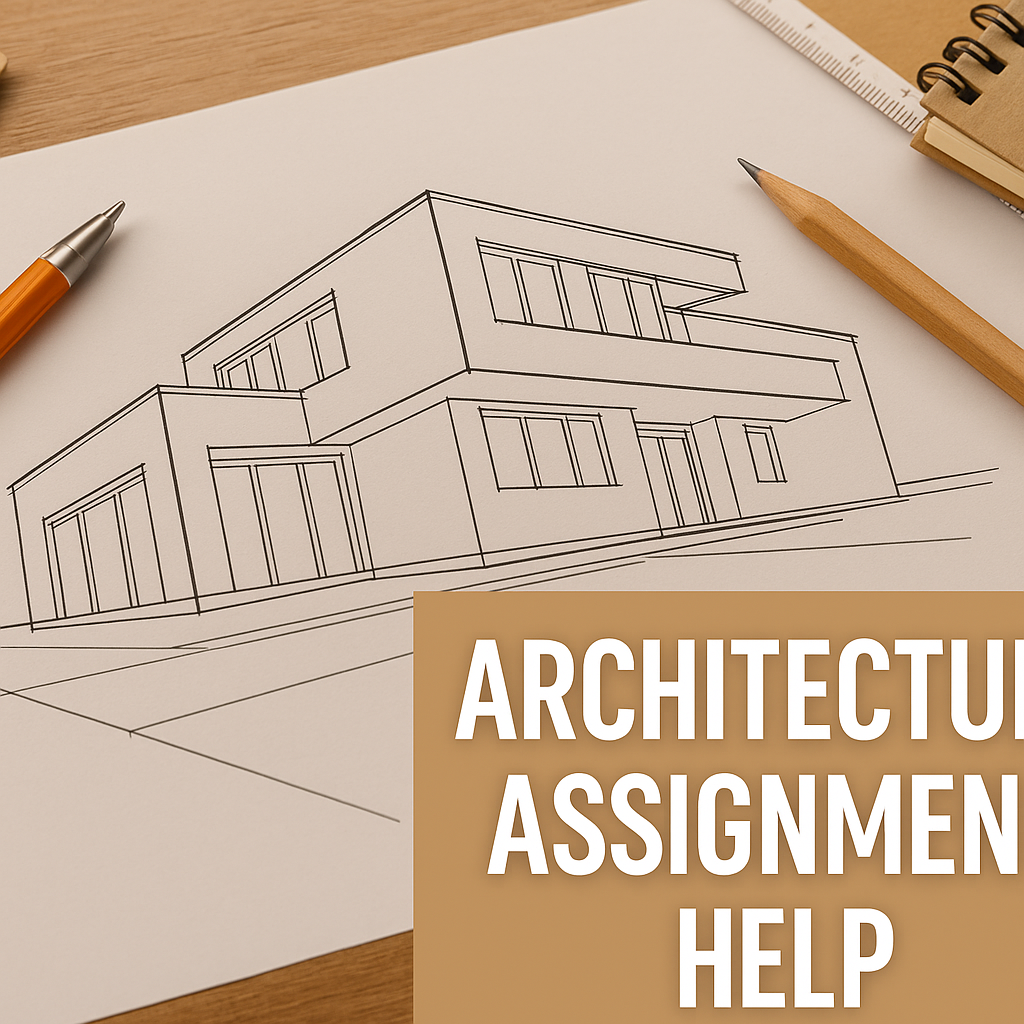
I get it. Software is sexy. But resist the urge to jump straight into Rhino or Revit. Old-school sketching—on paper, napkins, your roommate’s notebook—helps you think freely. No grids, no constraints, just ideas.
And hey, your professor will love seeing raw, messy thought processes. Shows you’re not just copying Pinterest renders.
4. Drafting: Keep It Clean, Keep It Clear
When it comes to drafting, clarity > everything. You don’t need a million hatch patterns or fancy line weights.
Use hierarchy: thicker lines for walls, thinner ones for furniture. Label stuff. Use a standard scale (and stick to it). Keep dimensions consistent. It’s not just about looking professional—it helps you think better too.
Pro Tip: Save versions of your files with dates. You will need to backtrack someday.
5. Embrace Software, But Don’t Be a Slave to It
AutoCAD, SketchUp, Rhino, Revit, ArchiCAD, Lumion, Adobe Suite—it never ends. My advice? Learn a couple really well, instead of all of them badly.
Start with what your uni uses. For most students: AutoCAD for 2D drafting, SketchUp or Rhino for 3D modeling, and Photoshop or Illustrator for presentation boards.
Don’t over-render either. A simple model with thoughtful shadows often speaks louder than a glossy render with no substance.
6. Theory Assignments: Don’t Snooze Through Them
Theory papers get a bad rap. But understanding architecture history and philosophy actually makes you a better designer.
When writing, structure it like a sandwich:
Intro: What's your main idea?
Body: Break it into 2-3 clear arguments.
Conclusion: Wrap it up. Say something new.
Use examples—Le Corbusier, Zaha Hadid, local buildings you admire. Bring in your opinion, but back it with facts. No Wikipedia dumping, please.
And if you're struggling? Read architecture blogs, listen to podcasts, watch documentaries (hello, Abstract on Netflix!). Learning doesn't always have to be dry.
7. Group Assignments = Communication Olympics
If you’re doing a group design project, welcome to chaos. Best tip? Treat it like a mini-firm. Assign roles early: who’s drafting, who's modeling, who's assembling the final board.
Set deadlines before the actual deadline. And communicate. Google Docs, shared folders, group chats—whatever keeps things flowing.
And if someone drops the ball? Be honest, not hostile. Architecture is collaborative IRL too. Learning to manage people matters.
8. Pin-Ups & Critiques: It’s Not Personal
Studio crits can feel brutal. But they’re not about you; they’re about the work. Listen. Take notes. Argue if you must, but do it with respect.
Sometimes the harshest feedback leads to your biggest breakthrough. Other times, the jury just didn’t get it. Either way, it’s practice for the real world.
9. Presentation Boards: Tell a Visual Story
Your boards should read like a graphic novel:
Intro image or mood shot
Concept diagram
Floor plans & elevations
Render or section
Material board or detail
Stick to a grid layout. Use consistent fonts. Don’t go color-crazy. If you can say it with fewer images, do that.
And test print if you can! What looks great on screen may look muddy on paper.
10. Mental Health Check-In (Yep, It Matters)
Last but huge: take care of yourself. Architecture school is intense. Burnout is real.
Take breaks. Go for walks. Eat actual food. Talk to someone when you feel stuck or drained.
You’re not just a drawing machine. You’re a person. And healthy people make better architects.
Final Thoughts
Architecture is a grind, no doubt. But it’s also amazing. You get to imagine spaces, solve problems, and leave your mark on the world—literally.
The assignments? They’re your training ground. Each one builds your skills, sharpens your vision, and prepares you for the crazy, beautiful world of design.
So the next time you’re staring at a blank sheet or blinking cursor, remember: you’re not alone. Keep sketching, keep learning, and maybe—just maybe—enjoy the chaos a little.
Got questions? Or just wanna vent about a rough critique? I'm all ears. Hit me up.


